


Brewing Sustainability: From Grain to Feed
In the world of brewing, sustainability is a commitment to responsible resource management and environmental care. We try to make sure that every step of the brewing process is thoughtfully considered to reduce waste and maximise efficiency. This involves recycling spent grain into animal feed, benefiting both the brewery and local farmers.
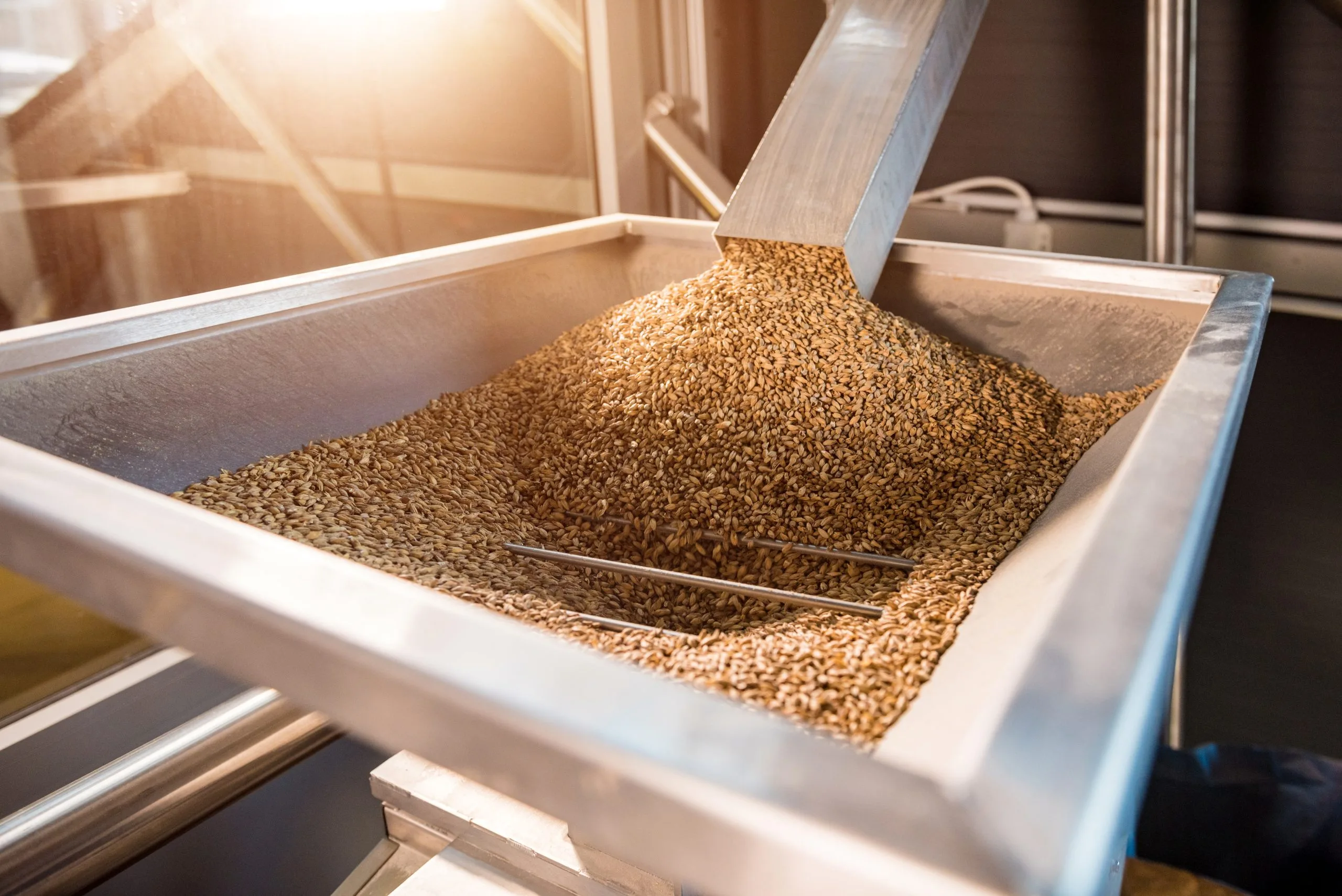
But first, let’s delve into the brewing process to understand how spent grain is generated. Brewing begins with carefully selected grains, including barley, wheat, or rye. These grains are milled to expose their starchy interior, which serves as the primary source of fermentable sugars. The milled grains are then mixed with water to create a mash, where enzymes break down the starches into sugars in a process called mashing. The sugary liquid, known as wort, is separated from the spent grains through lautering, leaving behind a residue known as spent grain. After this part of the brewing process is completed, the spent grain is discharged into a spent grain silo.
The spent grain is then transferred into a collecting waggon, where it awaits its journey to local farms. Farmers benefit from a reliable source of nutritious feed for their livestock, while Robinsons closes the loop on its brewing byproducts, reducing waste and environmental impact.
By repurposing this otherwise discarded ingredient, we contribute to the circular economy, where resources are used, reused, and repurposed in a continuous cycle. This approach not only conserves natural resources but also supports local agriculture and promotes community resilience.
Through initiatives like these, we can all raise a toast to a more sustainable future.